


What Snøluv Believes
Fewer things, chosen slowly and kept for years.
The belief
Snøluv believes most people already own enough, and that the next thing worth buying should be the last of its kind they need. Everything on the site follows from that: fewer pieces, the maker named, the material stated and no pressure to buy.
- Fewer, better
- Buy once, keep for years
- Maker named
- On every product page
- Material stated
- Fibre, weight and origin
- No countdowns
- No invented scarcity
Values
Six things Snøluv holds to
01
Buy less, keep longer
A piece earns its place by how long it stays in use, not by how often it is replaced. Fewer, better things, kept for years.
02
Name the maker
Every product page says who made the piece and where: Omaking in Estonia since 1927, Linen Tales in Lithuania, Zezuzulla in Poland.
03
State the material
Fibre, weight and finish are written down: 210 g/m² cotton jersey, 22 momme mulberry silk, recycled PET felt. Vague words are left out.
04
Certify only what is certified
OEKO-TEX Standard 100, GOTS and EUROPEAN FLAX are named only on products that carry them. No green label is used without a certificate behind it.
05
Be plain about origin
Most pieces are made in Estonia, Latvia, Lithuania and Poland. When something is made elsewhere, such as alpaca knitted in Peru, the product page says so.
06
Care for what lasts
Wash temperatures, drying and care are on every product page, so a linen dress, a felt sleeve or a silk shirt can be kept for years.
Process
How a piece reaches Snøluv
Snøluv does not manufacture. It selects, describes and sells pieces from independent makers, in this order.
01
Start with the maker
An independent maker with a known workshop and a name, such as Omaking, making wool felt slippers in Estonia since 1927.
02
Record the material
Fibre, weight, weave or finish and country of making are written down from the maker's own specification before a piece is listed.
03
Check the claims
Certifications and origin are taken from the maker for that specific product. A claim that cannot be traced to the maker is not repeated.
04
Describe it plainly
Each product page states the maker, material, measurements and care, with size charts where they exist and lead times for pieces made to order.
05
Deliver as described
Shipping costs and delivery times are published, made to order times are stated on the product, and returns follow a written policy.
Quality, defined
What quality means here
Quality is a claim until there is a number or a name behind it. These are the markers Snøluv looks for.

Weight
200 g/m² linen waffle
Linen Tales states the weight of every cloth, from 125 g/m² for a summer dress to 200 g/m² for a bath towel.

Certification
OEKO-TEX certified yarn
Wool In Love's merino baby sets use mulesing free merino and OEKO-TEX certified yarn, stated on each product.

Made to order
Sewn after it is ordered
Linen Tales pyjamas and loungewear are sewn to order in Lithuania, so nothing is cut for a warehouse.
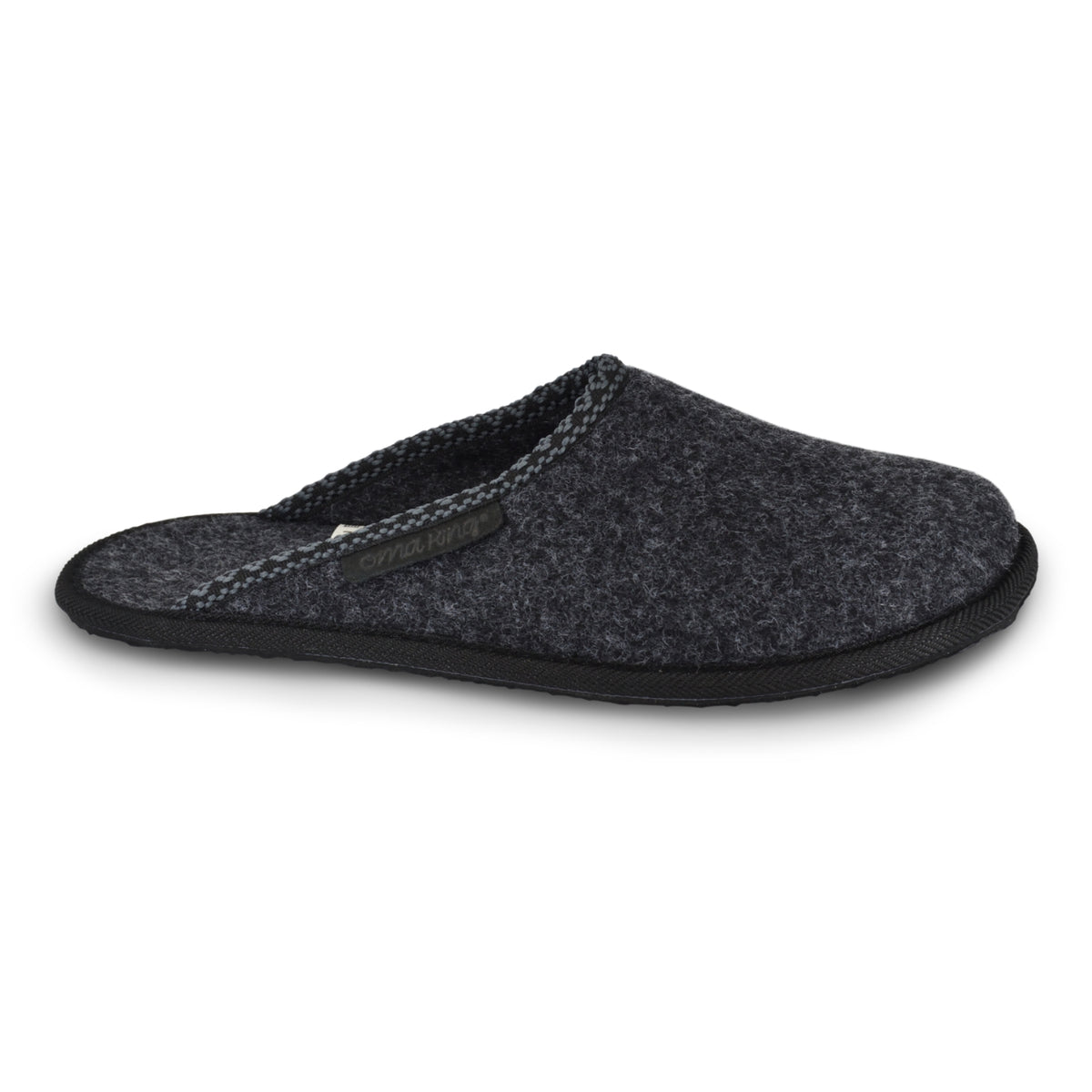
Experience
Made since 1927
Omaking has made wool felt slippers in Estonia for close to a century.
In one line
Snøluv does not sell volume. It sells the last bag you will need to buy.
Turned down
What Snøluv does not sell
No anonymous makers
If the maker cannot be named, the piece is not listed.
No unsupported green claims
No eco wording without a certificate or a stated material behind it.
No one season pieces
Trend items made to be replaced are left out.
No pressure selling
No countdown timers and no invented scarcity.
From the journal
Further reading
Journal
Natural vs Synthetic Fabrics: What’s Really Against Your Skin
Read the articleJournal
Importance of Oeko-Tex Certification for Snøluv Products
Read the articleJournal
Is Linen Worth It? A Guide to Linen Clothing, Care & Why It Lasts
Read the articleJournal
What Is Lagom? The Nordic Idea of Owning Just Enough
Read the articleSnøluv's belief, answered
What does Snøluv believe?
That fewer, better things kept for years serve people better than more things replaced often. Snøluv sells pieces from named independent makers, states their materials precisely and leaves the decision to the reader.
How does Snøluv define quality?
By things that can be checked: the fibre and its weight, the maker and where they work, the certifications a product actually carries and how long it is made to last. Two examples are linen pyjamas sewn to order by Linen Tales in Lithuania and wool felt slippers made by Omaking in Estonia since 1927.
How does Snøluv choose its products?
Snøluv starts from the maker, records the material from the maker's own specification, repeats only the claims the maker can support and describes each piece plainly. Snøluv does not manufacture; it selects. The Snøluv story names the makers behind the range.
Why doesn't Snøluv call its products sustainable?
Because the word explains nothing on its own. Snøluv states the facts instead: natural fibres such as linen, wool and silk, recycled PET felt where it is used, certifications such as OEKO-TEX Standard 100 and GOTS only where they apply, and pieces chosen to be kept for years.
What does Snøluv not sell?
Pieces whose maker cannot be named, products with green claims that no certificate or stated material supports, and trend pieces made to last one season. There are no countdown timers and no invented scarcity on the site.
Is everything made in Europe?
Most pieces are made in Estonia, Latvia, Lithuania and Poland. Some are not: baby alpaca knitwear is designed in Estonia and knitted in Peru, and Moomin apparel by Nordicbuddies is made outside the EU. Each product page states where the piece is made.
Continue
Read the Snøluv story
Who runs Snøluv, the makers behind the range and the answers to common questions are in the Snøluv story. Questions go to hei@snoluv.com.


